
Essential Tips for Maintaining Luxury Leather Seats in Your BMW, Mercedes, Tesla, or Porsche
- thedetailmaestro
- May 4
- 4 min read
Luxury cars like BMW, Mercedes, Tesla, and Porsche offer exquisite leather interiors that elevate the driving experience. However, maintaining these leather seats requires special care to preserve their appearance and durability. Issues such as dye transfer, body oils, and cracking can quickly degrade the leather if not addressed properly. This guide provides practical advice on safe cleaning, steam usage, and conditioning to keep your leather seats looking pristine in Lake Oswego, Oregon.

Understanding Common Leather Seat Issues
Leather seats in luxury vehicles face unique challenges that can affect their look and lifespan:
Dye Transfer: Dark clothing, especially denim, can leave dye stains on light-colored leather. This transfer is often stubborn and can cause permanent discoloration.
Body Oils and Sweat: Natural oils from skin and sweat accumulate on leather surfaces, leading to dark spots and a sticky feel over time.
Cracking and Drying: Exposure to sunlight, heat, and lack of moisture causes leather to dry out and crack, damaging the seat’s surface and comfort.
Each of these issues requires targeted care to prevent long-term damage.
Safe Cleaning Practices for Luxury Leather
Cleaning leather seats in high-end cars demands gentle yet effective methods. Harsh chemicals or abrasive tools can strip the leather’s natural oils and finish.
Use a pH-balanced leather cleaner designed specifically for automotive leather. Avoid household cleaners or detergents.
Apply the cleaner with a soft microfiber cloth or a natural horsehair brush to gently lift dirt without scratching.
Test any product on a hidden area first to ensure it does not alter the color or texture.
Wipe off excess cleaner with a clean, damp cloth and allow the leather to dry naturally away from direct sunlight.
Regular cleaning every 3 to 6 months helps remove surface oils and dirt that accelerate wear.
Using Steam to Deep Clean Leather Seats
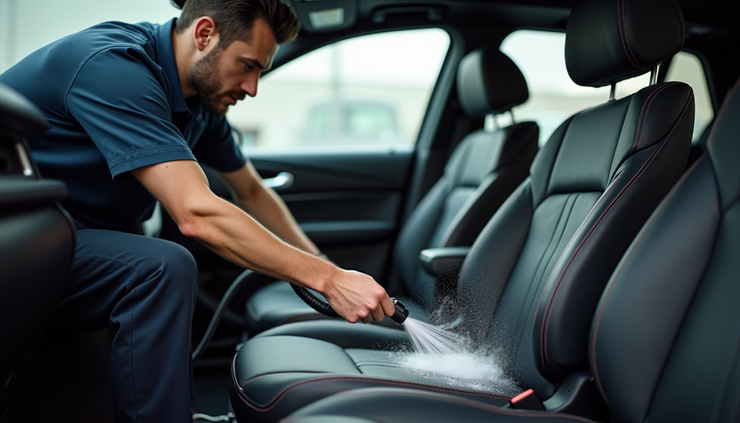
Steam cleaning can be a powerful tool for deep cleaning leather, but it must be done carefully to avoid damage.
Use a low-pressure steam cleaner with adjustable temperature settings.
Keep the steam nozzle at least 6 inches away from the leather to prevent overheating or water saturation.
Move the nozzle continuously to avoid concentrating heat in one spot.
After steaming, wipe the seats with a dry microfiber cloth to remove loosened dirt and moisture.
Follow up with conditioning to restore moisture lost during steaming.
Steam cleaning is especially useful for removing stubborn stains and sanitizing the leather without chemicals.
Conditioning Leather to Prevent Cracking
Conditioning replenishes the natural oils in leather, keeping it soft and flexible. Without conditioning, leather becomes brittle and prone to cracks.
Choose a high-quality leather conditioner compatible with your car’s leather type. Brands like Lexol, Leather Honey, and Bickmore are popular among luxury car owners.
Apply conditioner sparingly with a soft cloth, working it into the leather in small sections.
Allow the conditioner to absorb for at least 30 minutes before buffing off any excess.
Condition leather seats every 4 to 6 months, or more often if the car is exposed to harsh weather or heavy use.
Proper conditioning extends the life of your leather seats and maintains their luxurious feel.
Specific Tips for BMW, Mercedes, Tesla, and Porsche Leather
Each luxury brand uses slightly different leather types and finishes, so consider these brand-specific tips:
BMW: BMW’s Dakota leather is durable but can show wear from dye transfer. Use gentle cleaners and avoid dark denim contact.
Mercedes: Mercedes-Benz uses Nappa leather in many models, which is softer and more delicate. Avoid steam cleaning at high temperatures and always condition regularly.
Tesla: Tesla’s vegan leather requires different care. Use cleaners and conditioners formulated for synthetic leather to avoid damage.
Porsche: Porsche leather is often aniline dyed, making it more susceptible to stains. Clean spills immediately and use protective seat covers if possible.
Understanding your car’s leather type helps tailor your maintenance routine effectively.
Preventing Dye Transfer and Body Oil Stains
Dye transfer and body oils are among the most common causes of leather discoloration. Here are ways to reduce their impact:
Avoid wearing dark or new denim pants in your car, especially on light-colored seats.
Use seat covers or towels during long trips to protect the leather.
Clean seats promptly if dye transfer occurs using a leather cleaner with gentle agitation.
Wipe seats regularly with a dry microfiber cloth to remove surface oils before they soak in.
These habits help maintain the original color and texture of your leather seats.

Tips for Leather Seat Maintenance in Lake Oswego’s Climate
Lake Oswego, Oregon, experiences a mix of wet winters and dry summers, which can affect leather care:
During wet months, keep leather dry and avoid prolonged exposure to moisture to prevent mold and mildew.
In dry summer months, increase conditioning frequency to combat drying and cracking.
Park in shaded areas or use sunshades to reduce UV damage.
Regularly vacuum seats to remove dirt and grit that can abrade leather.
Adjusting your care routine to local weather conditions protects your investment year-round.
Final Thoughts on Leather Seat Care: Staying Ahead of Portland’s Relentless Dirt Cycle
Maintaining leather seats—especially in climates like Lake Oswego and the greater Portland area—is less about occasional deep cleaning and more about consistent, preventative care. Between moisture in the air, temperature swings, and everyday use, leather interiors are constantly exposed to conditions that can quietly wear them down over time.
Small issues like dye transfer, body oils, and light dryness might not seem urgent at first, but they build up quickly and lead to permanent discoloration, cracking, and premature aging if left untreated. The good news is that with the right approach, these problems are completely manageable.
A simple routine goes a long way:
Regular gentle cleaning removes oils and contaminants before they settle into the leather
Controlled steam cleaning can safely lift embedded grime and sanitize surfaces
Consistent conditioning keeps leather soft, hydrated, and resistant to cracking
Awareness of your specific leather type ensures you’re using the right products and methods
In the Pacific Northwest, where moisture is a constant factor, staying ahead of buildup is critical. Leather doesn’t just need to be cleaned—it needs to be protected and maintained as a living material.
Done properly, leather care preserves not only the look of your interior but also the overall driving experience. Clean, conditioned leather feels better, smells better, and reflects the level of care put into the entire vehicle.
And when maintained consistently, even high-use interiors can continue to look and feel like new for years—not just months.


Comments